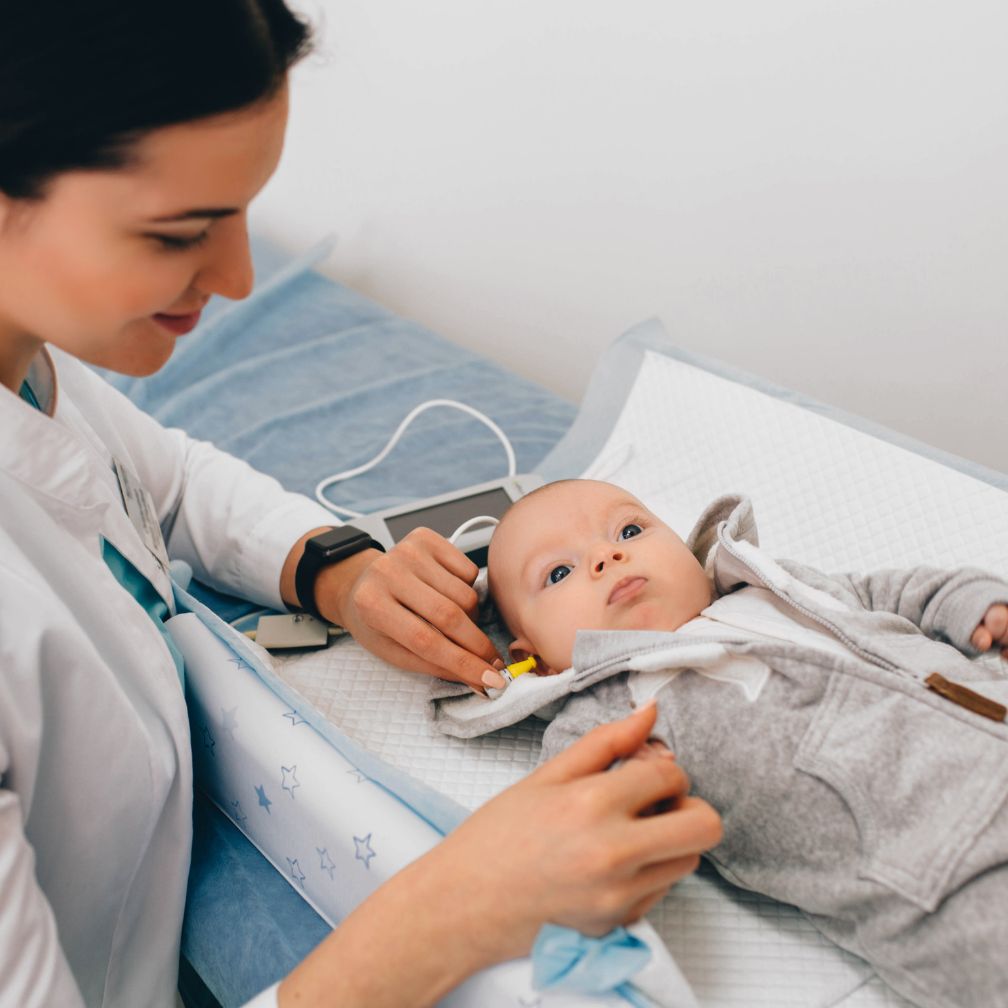
For both parents of a young infant, hearing a medical report of infant hearing loss naturally causes profound stress and concern. Yet the positive reality is: via timely identification and therapeutic support, children with hearing deficits can genuinely thrive exceptionally. Indeed, these babies regularly develop language proficiency, interpersonal skills, and deep relationships with those around them, guaranteeing a prosperous life!
Choosing modern hearing aids and surgical cochlear implants supplies two proven clinical methods for supporting babies with hearing impairment. In the following segment, we detail their individual operations and outline how to find the best choice for your infant.
Unpacking the Foundations of Infant Hearing Loss
Auditory decline across newborns typically originates from distinct underlying sources, including:
- Spontaneous genetic mutations (even across households showing zero history of impairment)
- Severe perinatal infectious diseases like cytomegalovirus (CMV) or rubella conditions
- Intrapartum events, including fetal oxygen deprivation or premature emergence
- Specific therapeutic drugs given inside specialized newborn intensive units
Which action represents the highest priority? Early medical diagnosis. Owing to this mandate, babies in the United States receive standardized auditory screening prior to hospital discharge. Respected pediatric hearing experts actively deploy the industry-standard “1-3-6” target timetable:
- Initial hearing check administered prior to 1 month of age
- Official diagnostic verdict secured prior to 3 months post-birth
- Prompt intervention (employing amplification units or structured therapy) launched within 6 months
Meeting these diagnostic benchmarks provides babies the optimal foundation for robust speech, linguistic, and neurological growth. If you need guidance concerning these newborn checks, your family pediatrician will gladly offer support!
Hearing Aids for Infants
When managing infants presenting with mild to severe hearing deficits, personal hearing aids regularly act as the frontline therapeutic choice. These compact, body-worn units amplify sound, assisting babies in catching spoken words and environmental sounds more distinctly.
Modern infant hearing instruments function as:
- Entirely safe for clinical use in babies merely weeks post-birth
- Manufactured with pliable, gentle custom molds that adjust during early physical growth
- Outfitted with locking battery compartments and child-focused protective mechanisms
- Expertly programmed by a trained pediatric audiology specialist to align with your baby’s exact hearing needs
As an infant expands physically, their wearable units will require frequent clinical updates to preserve physical comfort and functional efficacy.
Cochlear Implant Options for Newborns
In instances where an infant demonstrates severe to profound sensorineural hearing loss and gets limited benefit from wearable aids, audiology teams frequently suggest a cochlear implant. Unlike standard acoustic hearing aids, cochlear implant devices:
- Need a targeted surgical procedure for final insertion executed by a pediatric specialist
- Direct signals past non-functional hair cells of the inner ear system
- Change ambient sound waves into direct electrical impulses that stimulate the auditory nerve directly
Standard cochlear implants remain:
- Clinically approved by the FDA for application in babies aged 9 to 12 months and older
- Deeply effective when supported through early developmental habilitation and consistent family involvement
- Prescribed solely following a comprehensive diagnostic assessment by a pediatric audiologist and ear, nose, and throat doctor
This diagnostic phase features radiological imaging, comprehensive audiometric testing, and setting realistic expectations for future communicative success.
Hearing Aids Versus Cochlear Implants: A Direct Comparison
- Mild to severe hearing loss: Hearing Aids; Severe to profound hearing loss requires Cochlear Implants
- Non-Invasive wearable design: Hearing Aids; Invasive surgical installation: Cochlear Implants
- Acoustic volume boosting: Hearing Aids; Electrical signal stimulation conversion: Cochlear Implants
- Treatment starts in newborn infancy: Hearing Aids; Procedure starts at 9-12 months: Cochlear Implants
Closing Perspective: Choosing Between Hearing Aids and Implants
If your newborn faces a confirmed hearing impairment diagnosis, you have options and dedicated expert support. Through the guidance of experienced pediatric audiology teams, many children go on to develop language capabilities completely equal to their hearing peers.
Whether your child is a candidate for hearing aids or cochlear implants, early management can make a lifelong difference.
Do you still have lingering questions regarding your infant’s auditory condition? Call our clinic today to arrange a comprehensive evaluation and customized treatment program.