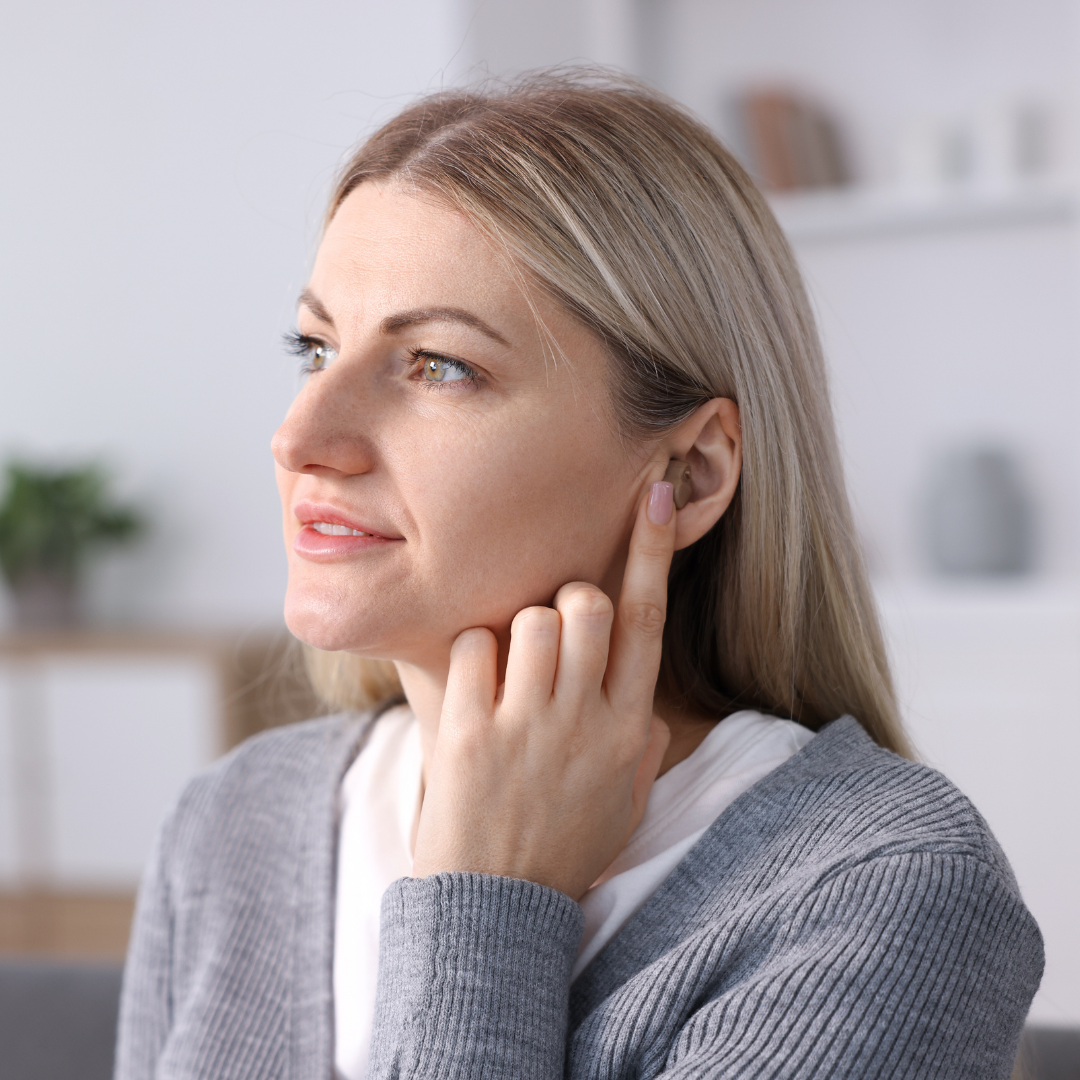
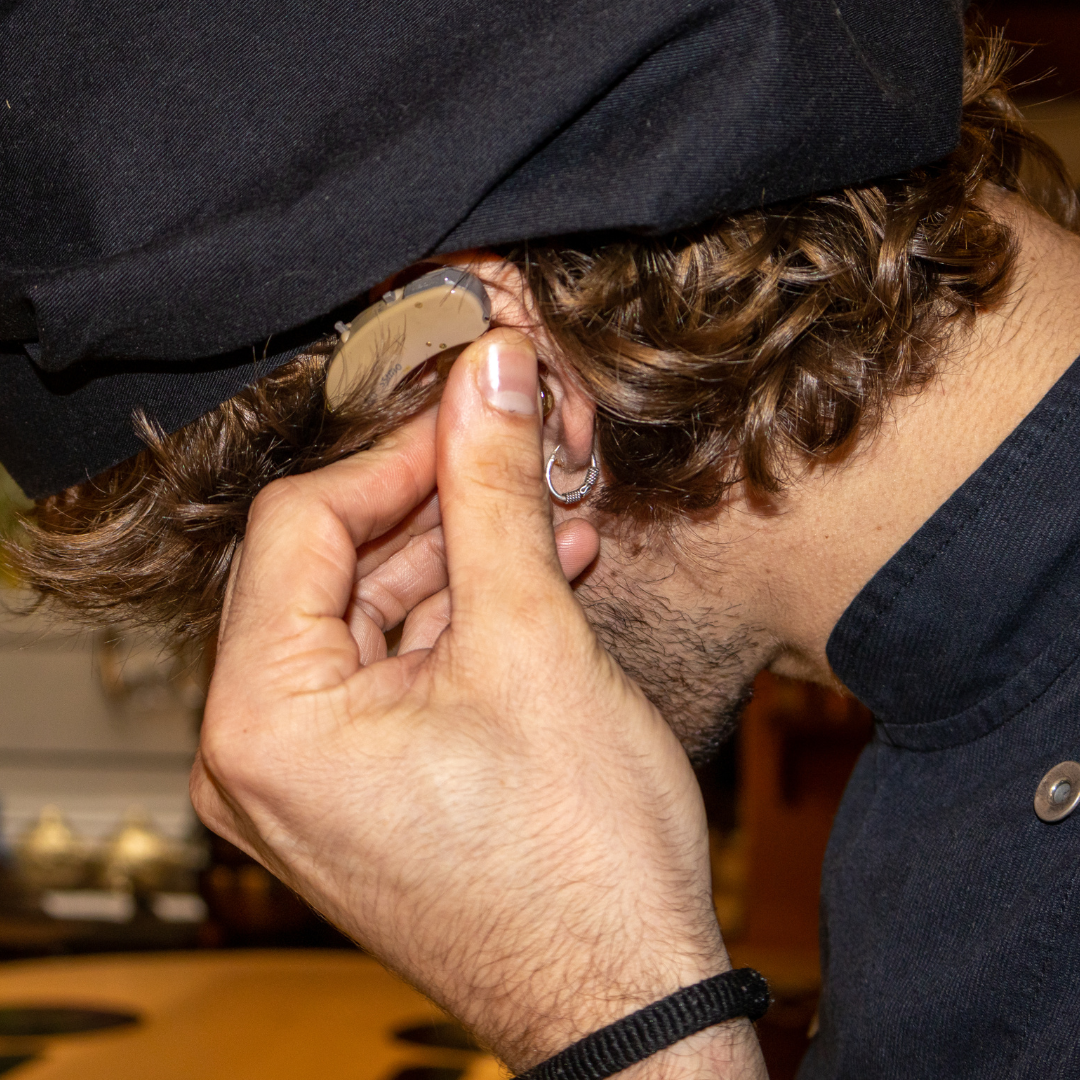
A high-pitched whistle from a hearing aid can come on suddenly and be a huge annoyance and distraction if the cause isn’t quickly addressed. Our audiology practice accurately determines whether the whistle relates to physical canal fit, obstructive earwax, acoustic programming, fatigued components, or technical damage. Explore why acoustic feedback occurs and which safe home […]
Tracking speech in busy dining venues can feel exhausting when environmental noise drowns out your hearing. Our clinical team can evaluate hearing across quiet settings and background-noise environments to pinpoint specific auditory challenges. Once the diagnostic etiology of your difficult hearing is established, we implement personalized clinical and technological strategies. Why Do I Hear Well […]
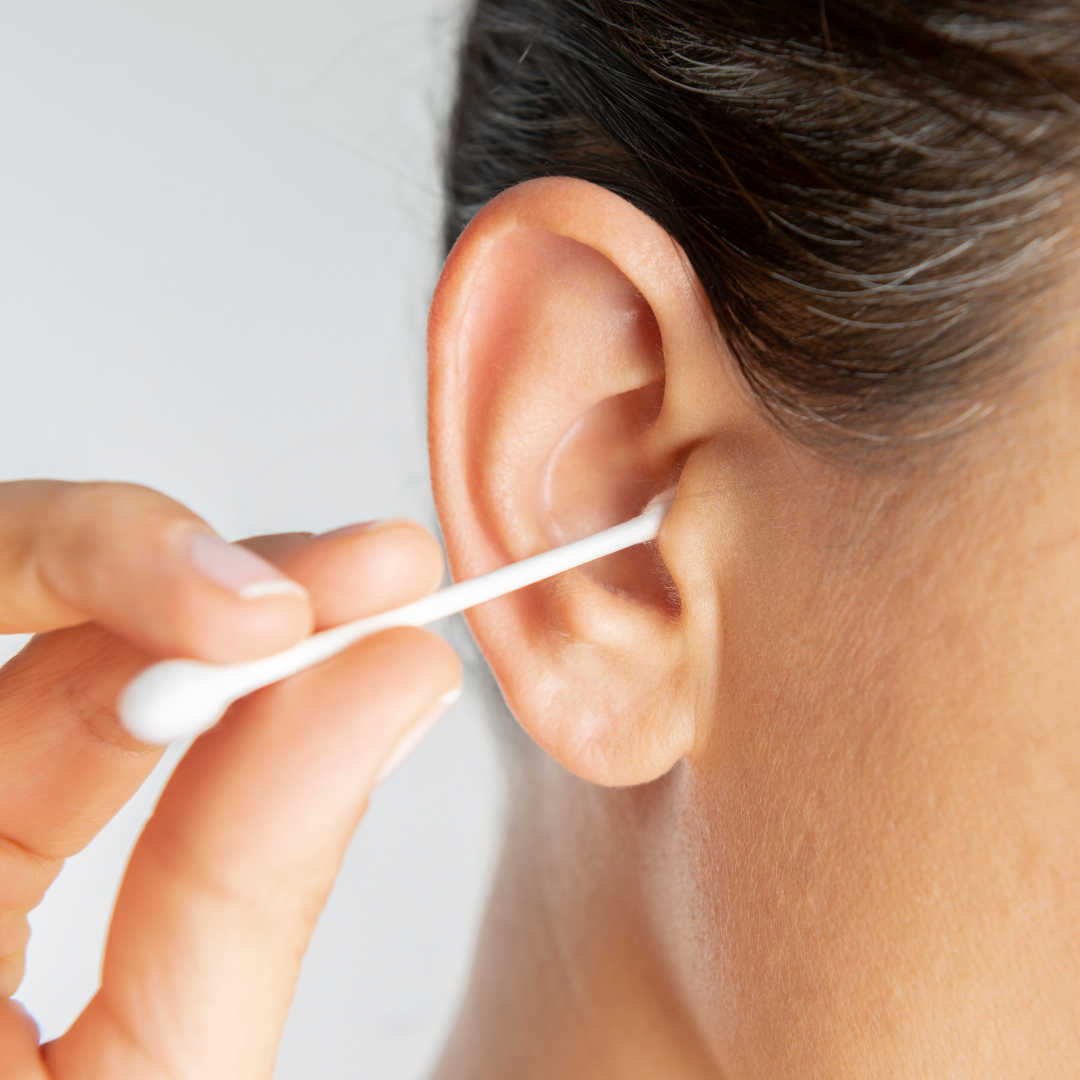
Although cotton swabs feel like accessible ear-care tools, introducing them into the canal hinders self-cleaning mechanisms and may harm your hearing. We perform thorough examinations to verify if earwax removal is necessary and select appropriate procedures for your ear condition. Healthy ears rarely require aggressive manual intervention; nevertheless, when blockage develops, we assist patients in […]
Sensing intense spinning when lying down, shifting positions, or standing up from bed can be startling, particularly when it occurs unexpectedly. Clinical audiologists offer comprehensive vestibular assessments to verify whether benign paroxysmal positional vertigo (BPPV) is triggering your instability. Dedicated specialists explain the underlying physiology of positional vertigo while implementing customized canalith repositioning treatments to […]
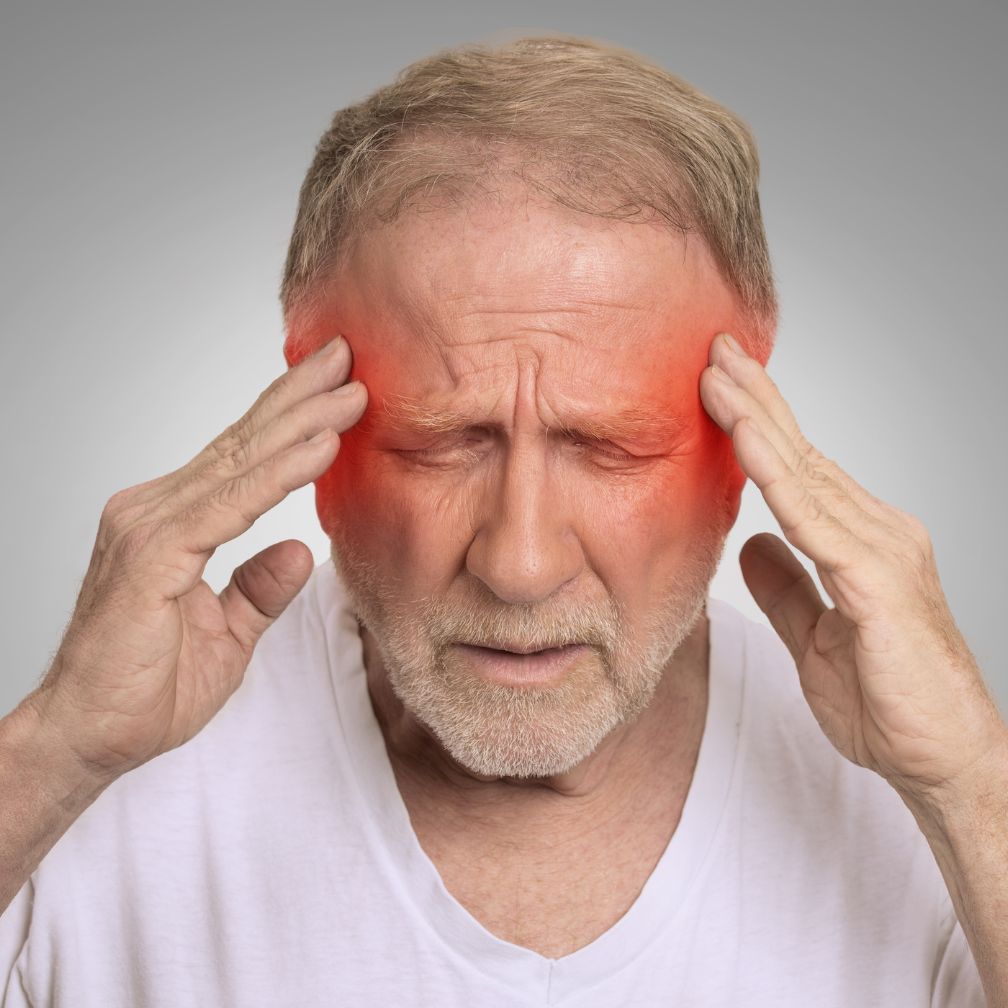
Specialized hearing aids are designed to help address your specific auditory deficit. Whether you are new to wearing hearing aids or have been wearing them for years, if your hearing aids cause headaches or any other type of pain, there is a solution. A fully optimized hearing aid fits effortlessly inside your ear and delivers […]
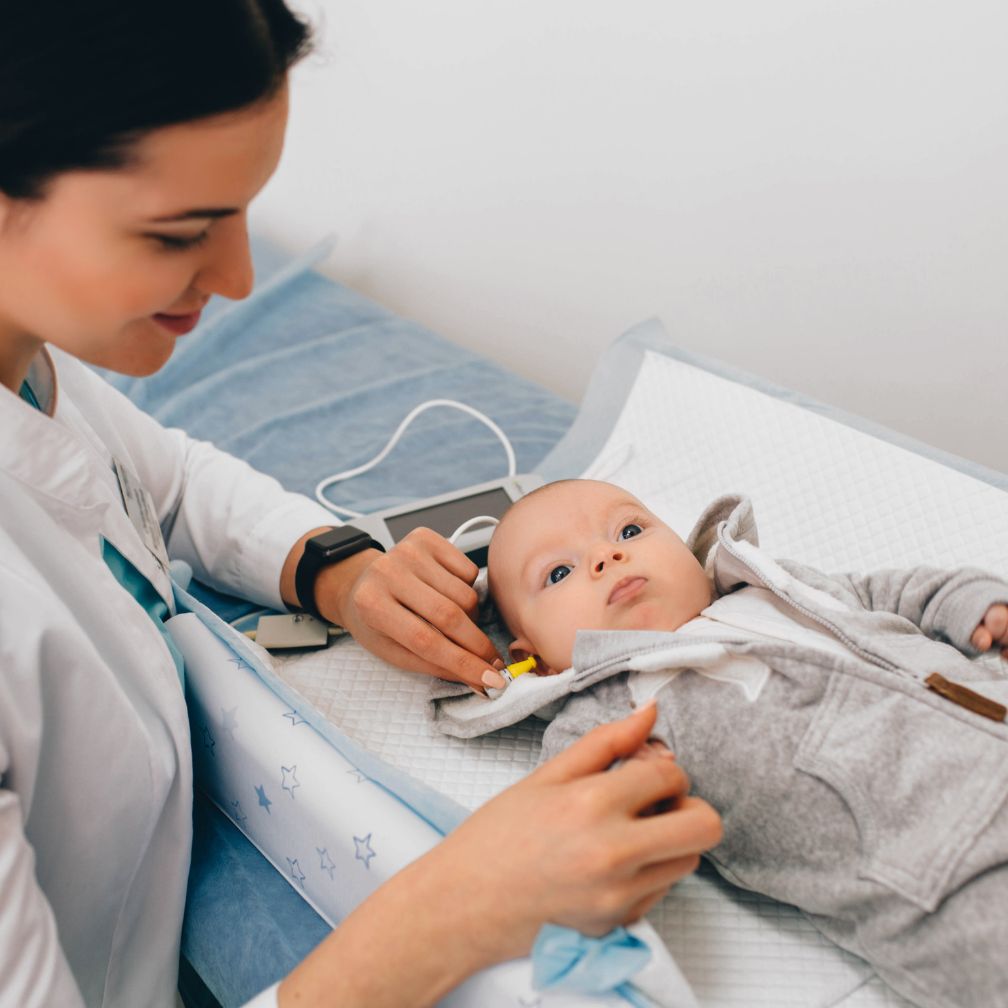
For both parents of a young infant, hearing a medical report of infant hearing loss naturally causes profound stress and concern. Yet the positive reality is: via timely identification and therapeutic support, children with hearing deficits can genuinely thrive exceptionally. Indeed, these babies regularly develop language proficiency, interpersonal skills, and deep relationships with those around […]
Compromised hearing entails much more than basic anatomical loss; it represents a deeply personal challenge that gradually alters an individual’s worldview. Though compromised hearing is typically recognized for causing sound confusion, its psychological and emotional ramifications stay beneath the surface, but are fully as critical. Spanning from daily irritation to chronic loneliness, unaddressed hearing loss […]
Perhaps you are already aware that floppy-eared canines navigate sound environments with less acoustic acuity than those with erect, triangular ears. Predictably, animals such as felines, canines, and hamsters continuously manipulate their external ear angles to better isolate sonic vibrations across a full three-hundred-and-sixty-degree radius. Importantly, these quadrupedal animals are not unique in having external […]
You love your car. The independence that driving provides is irreplaceable to you, but could your choice of transport be quietly driving permanent acoustic trauma? Driven by these concerns, let’s explore how transport choices influence long-term wellness. In this analysis, we will investigate the mechanical triggers of vehicle-related hearing loss and outline practical strategies to […]
What is the source of that bizarre internal sound resembling continuous static or rushing wind inside your head? Why can’t anyone else hear it? You are not inventing these symptoms; the sensation is entirely real. Fortunately, your symptoms do not point to “phantom ring syndrome,” a psychological habit among heavy smartphone users who mistakenly believe […]