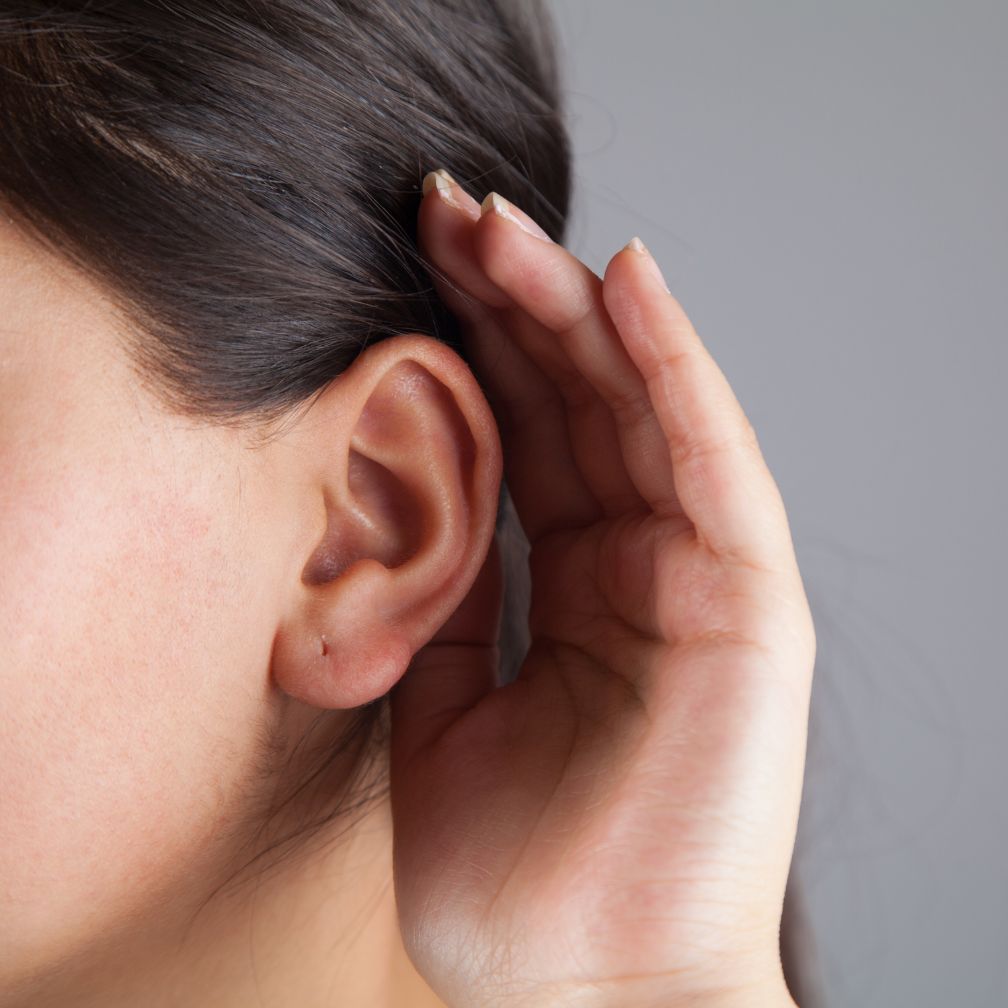
What is the source of that bizarre internal sound resembling continuous static or rushing wind inside your head? Why can’t anyone else hear it? You are not inventing these symptoms; the sensation is entirely real.
Fortunately, your symptoms do not point to “phantom ring syndrome,” a psychological habit among heavy smartphone users who mistakenly believe their device is vibrating or ringing in silence.
Instead, these persistent acoustic distortions are classic indicators of clinical tinnitus. And yes, what you’re hearing is real, and there are some things that can make tinnitus worse.
While this background static is present, you can generally still decode the words of those around you. Rather, it simply feels as though an unwanted layer of acoustic static has been artificially superimposed over your entire auditory field.
Let’s look at where this white noise comes from, what it is, and what you may be able to do to reduce or get rid of it.
Demystifying Tinnitus: Connecting Auditory Damage to Phantom White Noise
Physiologically, tinnitus typically serves as an early clinical warning sign of underlying hearing loss. It is uniquely defined by a steady or variable acoustic signal that registers on top of everyday conversations. Based on your specific audiological subtype, the internal static might remain completely unobtrusive throughout your normal routine. Alternatively, you might find yourself battling an intense presentation where the constant roar leaves you feeling completely helpless and desperate for relief.
Most patients frequently fail to find words that accurately convey their struggle, because this subjective sensory deficit defies the imagination of anyone who has never lived it.
You might find yourself wondering how a humming noise that sounds so incredibly vivid inside your skull can have no external reality. This paradox leads many to worry if they are suffering from a central mental delusion or cognitive misfire. How can an invisible sound wave cause such a profound barrier when you are trying to comprehend spoken language from family members? Or utterly destroy your capacity to find peace, unwind, and sleep soundly through the night?
What is the noise you hear when it’s quiet?
It is a well-documented clinical fact that a lack of environmental audio causes your internal ear noises to feel significantly worse. That’s because the noise you hear in your ears does not have to compete with any other sounds – for example, most people keep their bedrooms completely silent while they sleep at night. They choose to run no active entertainment devices, omit music, and enforce a strict policy of zero structural sound. If you combine a silent room with late-night introspection, the moment your awareness drifts to the localized humming, it transforms into an inescapable focus point that artificially amplifies the distress. No matter if you battle soft whistling or intense buzzing across variable frequencies, a hushed bedroom at night establishes the exact scenario required for tinnitus to become unbearable.
Differentiating Your Symptoms: Is a Rushing Wind Sound Actually Tinnitus?
Not only is tinnitus hard to explain to someone who doesn’t have it, but this condition can also become complicated when you try to talk to someone else who is suffering from tinnitus. They could live with a pulsing beat while you hear steady white noise, a variance that often causes patients to falsely assume their own case falls outside the bounds of standard tinnitus.
But chances are, it is. The disorder presents with remarkable variety, shaping its subjective sound signature differently from one ear network to the next. Common clinical presentations involve consistently tracking frequencies that mimic:
- The harsh hiss of old-fashioned television static
- A low-frequency, deep mechanical humming
- An active, vibrating internal buzz resembling an electrical current
- A piercing, high-pitched metallic ringing
- Thumping
- A steady, monotonous frequency resembling an active dial tone
Under standard clinical circumstances, you remain the exclusive audience for the subjective white noise generated by your neural pathway errors. Consequently, if you request that your family doctor physically verify the noise during an office visit, they lack the tools to do so. Instead, the doctor will just have to take your word for it on this one.
This lack of objective testing can easily make a patient feel completely invalidated when consulting a general doctor who lacks specialized understanding of ear pathways.
Thomas, a steelworker, told us, “When the ringing in my ears started, I talked to my primary doctor. Though the practitioner casually acknowledged the probability of tinnitus, he failed to grasp how profoundly debilitating the constant roar was to my daily routine. He spoke about it like it wasn’t really there. He mistakenly believed I could simply choose to ignore the frequency and completely failed to provide any therapeutic pathways or solutions.”
Transitioning your care to an expert otolaryngologist eliminates this frustration, ensuring your symptoms are validated while mapping real-world treatments. Frequently, the unique behavior of the phantom frequency serves as an anatomical roadmap, helping your doctor identify the perfect treatment.
Whooshing vs. Ringing: Identifying High-Risk Vascular Anomalies
The process of explaining your symptoms to a clinician becomes further complicated by the sheer diversity of ways this neurological deficit expresses its presence. Consider a scenario where you perceive a fluid-like whooshing or a rhythmic thumping that beats in unison with your heart; this pattern points directly to a distinct condition called pulsatile tinnitus.
The reassuring reality is that this specific rhythmic variant is highly responsive to medical intervention, as it is generally driven by treatable vascular conditions like high blood pressure or arterial blockages.
This distinct vascular whooshing can stem from turbulent blood flow forcing its way through constricted cranial vessels, a physical phenomenon clinically identified as a bruit. It’s critically important to get this checked out and treated, as in rare cases, the whooshing sound could be a sign that you’re heading for a seizure or stroke, either of which could prove fatal.
Objective Tinnitus: When Your Doctor Can Audibly Detect the Sound
To be completely clear, this internal static is an authentic and incredibly frustrating neurological impairment. While it often can’t be diagnosed, there are rare instances that concern pulsatile tinnitus, where a hearing specialist trained to treat tinnitus can use instruments like a stethoscope to hear what you’re hearing. It is vital to understand that this objective phenomenon is unique to circulatory-driven cases, a category that is statistically much rarer than standard neurological tinnitus.
How did I get tinnitus? What caused this humming noise in my head?
In most clinical case histories, the principal cause behind this internal static is a history of sustained exposure to hazardous noise levels. This explains why the disorder is highly prevalent among professional musicians, concertgoers, and industrial laborers who operate within loud environments for consecutive hours over several years.
Occupational data highlights several high-risk industries where workers frequently develop severe auditory ringing, including:
- Manufacturing Plant Operations – Being exposed to unshielded mechanical noise for long shifts slowly degrades your internal hair cells over a long career timeline. In addition to the sheer sound exposure, the intense physical pacing of factory labor drives systemic stress, which directly exacerbates the severity of your internal head static. Sufferers who work in proximity to a pneumatic riveter are exposed to one of the worst acoustic offenders in the world, pumping out 125 decibels—loud enough to cause instantaneous hearing destruction and life-long tinnitus.}
- Commercial Agriculture – Do not blame your symptoms on a standard rooster call. While a crowing rooster registers at a surprising 90 decibels, contemporary agricultural environments embed machinery that is vastly more destructive to human ears. Industrial tractors, heavy combine harvesters, automated cherry-pickers, and vacuum milking lines generate continuous, extreme noise pollution. Even routine maintenance tasks pose a threat; a standard workshop table saw easily exceeds 85 decibels, a level that permanently damages hearing cells over a long timeline of exposure.}
- Aviation – A commercial jet propulsion system generates a staggering 140 decibels of acoustic energy, even from a distance of a hundred feet. While professional aviators generally wear protective communication headsets, pilots of small or regional aircraft operate right next to the engine firewall. No passive or active headset is completely capable of shielding the inner ear from this intense, vibrating sound pressure, meaning your hard-earned flight hours are simultaneously causing gradual, permanent sensorineural damage.}
- Motorcycle Traffic Enforcement – You don’t need a badge to mount a motorcycle, but spending your entire working day atop a roaring engine exposes your ears to a toxic combination of motor exhaust and high-speed wind noise that induces chronic tinnitus. This identical sensory threat applies to operators of industrial snowmobiles and personal watercraft, though such vehicles are rarely part of a standard corporate job unless you work in an exceptionally adventurous field.}
- Bartenders and Service Staff – Trying to hear a customer call out an order over a crowded bar requires immense concentration from your brain’s processing centers. The background music in entertainment venues is frequently pushed to dangerous decibel levels, making it impossible to hear a person standing directly in front of you and forcing your ears to strain constantly against the noise. When the lounge features a live musical act or a club DJ, your hearing paths sustain identical structural wear to the performers on stage.}
In each of these scenarios, the primary cause is the mechanical destruction of the tiny hair cells housed inside your internal ear labyrinth due to relentless noise. These minute receptors capture incoming acoustic waves and transmit them along the auditory nerve so your brain can interpret what is happening. Unlike other cellular systems in the human frame, once these delicate structures are destroyed, they are gone forever, permanently altering your balance and leaving you with a compromised sense of hearing.
What Is Driving the Volume Up? Secondary Tinnitus Accelerators
In addition to primary acoustic trauma, a variety of systemic health issues and lifestyle habits can actively amplify the baseline static in your ears.
- Mental Health Challenges – Living with generalized anxiety or depression creates a highly frustrating catch-22 scenario. The moment your stress or mood drops, your neurological sensitivity to the ear ringing spikes, which immediately causes your psychological distress to worsen in response.}
- Ignoring Your Body’s Warning Signs – Your ears possess natural defensive thresholds and experience physical discomfort when a room is too loud. Rather than simply enduring the painful volume, you must actively protect your auditory system, as these delicate cells cannot be replaced once destroyed.}
- High Blood Pressure – Letting your blood pressure get out of control may cut the oxygen off to your inner ear. This may not only make it worse in the short term, but it can increase the damage to your hearing over time.}
- Nicotine Consumption – The intense neurological irritation and withdrawal anxiety you experience between cigarettes actively magnifies your perception of the ringing. While your immediate instinct may be to light another cigarette for relief, this choice simply worsens the underlying issue over time due to the severe vasoconstriction nicotine inflicts on your circulatory system.}
- Dietary Triggers – Clinical evidence indicates that high doses of caffeine and certain artificial sweeteners can act as neural stimulants, making tinnitus appear louder. We recommend maintaining a detailed dietary log to track your meals alongside your daily symptom spikes, allowing you to isolate and eliminate individual chemical triggers.}
- Toxic Relationships – Spending time around highly negative or stressful individuals can actively exacerbate your tinnitus by driving up your blood pressure, anxiety, and depression. You must critically evaluate relationships that introduce chronic emotional friction, deciding if those interactions are worth sacrificing your physical hearing health. Keep in mind that while you possess zero power to alter another person’s personality, you retain full authority to limit your exposure to them.}
- Maternal Shifts – Roughly a third of all pregnancies involve the onset of tinnitus, typically caused by the intense hormonal changes, fluid retention, and blood pressure adjustments that occur during gestation.}
- Cerumen Impaction – When old earwax migrates deep into the canal and impacts against the delicate eardrum, it can create a variety of unusual, scraping noises. Having that material safely extracted by a medical professional can completely stop the ear ringing on the spot.}
- Ototoxic Pharmaceuticals – A wide array of medications, including specific opiates, broad-spectrum antibiotics, loop diuretics, chemotherapy regimens, and even common over-the-counter NSAID painkillers, carry documented ototoxic side effects. It is highly recommended that you consult both an audiologist and your primary physician to thoroughly evaluate your current drug profile for ear risks.}
Are there any treatments for tinnitus that work?
If you have an underlying condition, talk to your doctor. Specific systemic disorders significantly worsen your internal noise levels, particularly unmanaged anxiety and high blood pressure.
Following the successful treatment of any underlying physical diseases, you can pivot to advanced symptom-management strategies. Effective clinical avenues for suppressing the noise include:
- Mindfulness Interventions – Incorporating daily meditation, restorative yoga, or alternative somatic relaxation exercises can drastically lower your neuro-chemical stress response. Unfortunately, modern educational systems rarely teach individuals how to self-regulate stress naturally without resorting to chemical substances. Despite this gap, thousands of patients actively pursue these holistic habits because clinical data confirms they successfully lower tinnitus awareness.}
- Nocturnal Audio Camouflage – Utilizing soft, steady background static while you rest offers instant relief by reducing the contrast of the internal ringing. Make sure you never make the mistake of trying to completely submerge the symptom with loud earbuds or high-decibel environmental noise. That counterproductive habit will only accelerate your permanent hearing loss and increase the intensity of your symptoms as time goes on.}
- Therapeutic Hearing Instruments – Contemporary assistive listening devices can be customized to actively mask or cancel out the internal static. Today’s hardware is equipped with cutting-edge software suites designed specifically for targeted tinnitus suppression. Your hearing care professional can program these microcomputers during your initial fitting to match and nullify the exact pitch vibrating inside your head.}
- Acoustic Neuromodulation – This clinical technique focuses on retraining your brain’s auditory processing centers to filter out the phantom noise. By introducing a gentle sound layer that matches your personal tinnitus profile, a specialist can desensitize your neural pathways. This process successfully coaches your mind to ignore the internal loop and prioritize real-world sounds, like conversations with family.}
- Cognitive Behavioral Therapy (CBT) – This evidence-based psychological intervention is expertly designed to dismantle negative behavioral patterns and stress cycles. For patients who frequently ruminate on distressing news or worry about external situations they cannot influence, CBT offers an ideal solution. It systematically coaches your mind to redirect its energy toward positive elements and areas where you maintain true autonomy, which rapidly reduces the stress that feeds your tinnitus.}
The Reality of White Noise Therapy: Management vs. Cure
We have all heard the expression regarding fighting fire with fire, but does it make clinical sense to combat internal static with external static? Data from a recent medical study in the UK confirmed that although white noise sound conditioners help patients manage their symptoms, maximum relief requires pairing the audio with targeted medical counseling.
The honest clinical reality is that a permanent cure for this condition has not been discovered, meaning our medical goals focus on deploying specialized treatments to help you control and cope with the condition.
So what else can you do to treat your tinnitus? Your absolute highest priority should be to secure a professional hearing evaluation from an expert. You’ll find out how much it’s impacting your ability to understand when people speak. Once your baseline numbers are established, you can safely evaluate cutting-edge therapeutic protocols with a team of trusted local experts.
Audio Illusions: Explaining Phantom Melodies and Speech in Background Noise
Should you track complex orchestral arrangements or human voices within background noise, your symptoms fall outside the definition of traditional ear ringing. Please do not worry or panic over this development, as it is completely unrelated to schizophrenia or alternative serious mental health conditions. The scientific explanation for this sensory trick is a benign condition known as Musical Ear Syndrome, cross-sensory apophenia, or standard audio pareidolia. These illusions occur because your central nervous system relies heavily on advanced pattern recognition to constantly organize and decode ambiguous environmental noise. When exposed to a flat wall of static, your mind can miscalculate the input and overlay an expected acoustic memory onto the noise. To define it simply, auditory pareidolia occurs when your brain takes random, chaotic noise fragments and forces them into a recognizable template from your memory, such as a familiar song. Alternatively, if you perceive vivid songs playing when your immediate surroundings are completely devoid of any real-world sound pressure, you are likely navigating a benign musical hallucination.