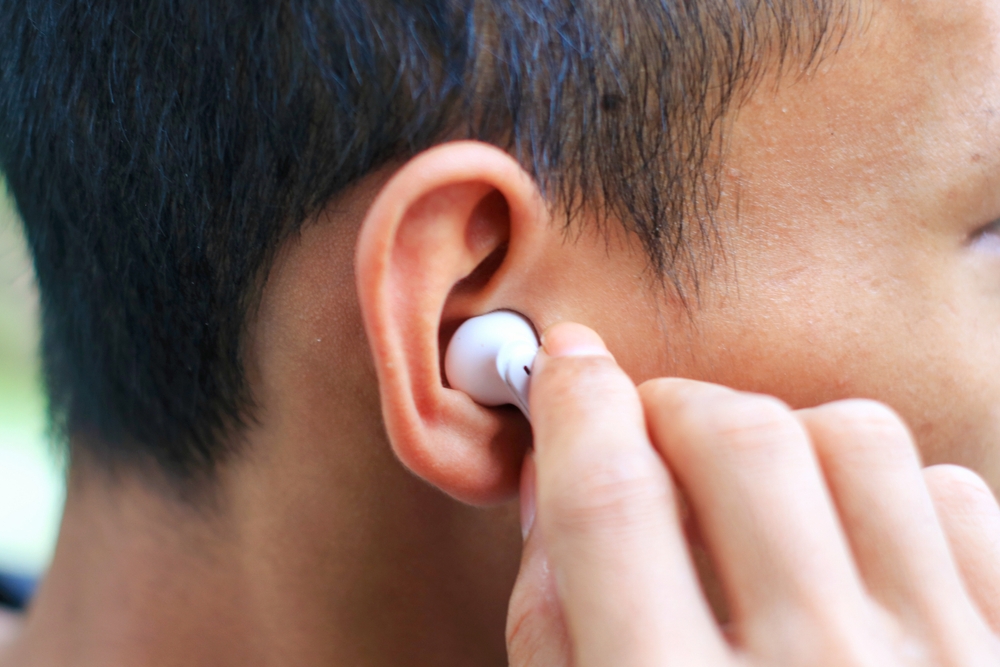
It is increasingly uncommon to observe a young adult in a public setting without an earbud in place. Even with their larger footprint, headphones remain a popular choice for teenagers looking to disconnect from the world. The appreciation for music is a cross-generational trait, yet younger individuals often depend on it for constant background stimulation. This leads to the clinical question: can the proximity of these devices to the ear canal trigger permanent auditory damage? The danger is not inherent to the technology but is instead a product of specific usage habits.
When Healthy Listening Becomes Hazardous
The right music can induce a state of relaxation, provide spiritual comfort, or drastically boost energy levels. The outcome is entirely dependent on the genre and frequency of the audio. Personal audio tech provides a convenient way to consume media without infringing on the silence of those nearby. Most individuals view this as a positive etiquette, especially within the confined spaces of a bus or train.
From an audiological perspective, we must define the specific thresholds for safe volume and exposure duration. The truth is, loud noise in general is damaging to your ears and your hearing. Sustained exposure to extreme volumes can result in irreversible trauma to the auditory nerve. Since hearing shifts occur incrementally, the window for prevention has often closed by the time a patient seeks help.
The Biological Impact of High-Intensity In-Ear Audio
Volume is the key danger for noise-induced hearing loss. Despite this, the cumulative hours of exposure are just as dangerous as a single loud blast.
- The National Institutes of Health (NIH) recommends listening at below 70 decibels. Even after long exposure, you won’t have any hearing loss.
- The rate of auditory trauma increases exponentially as the decibel level rises.
- Audiologists recommend the 60/60 rule: stay below 60% of max volume and limit sessions to one hour.
- You can safeguard your auditory health by reducing device intensity and monitoring your cumulative daily usage.
Warning Signs of Hearing Loss
If you commonly hear muffled sounds, find it difficult to understand conversations in noisy places, have ringing in your ears (tinnitus), and frequently ask people to repeat what they said or to speak louder, it’s time to have a hearing exam with a professional.
Schedule an appointment with our specialists if you believe your auditory health has been compromised.