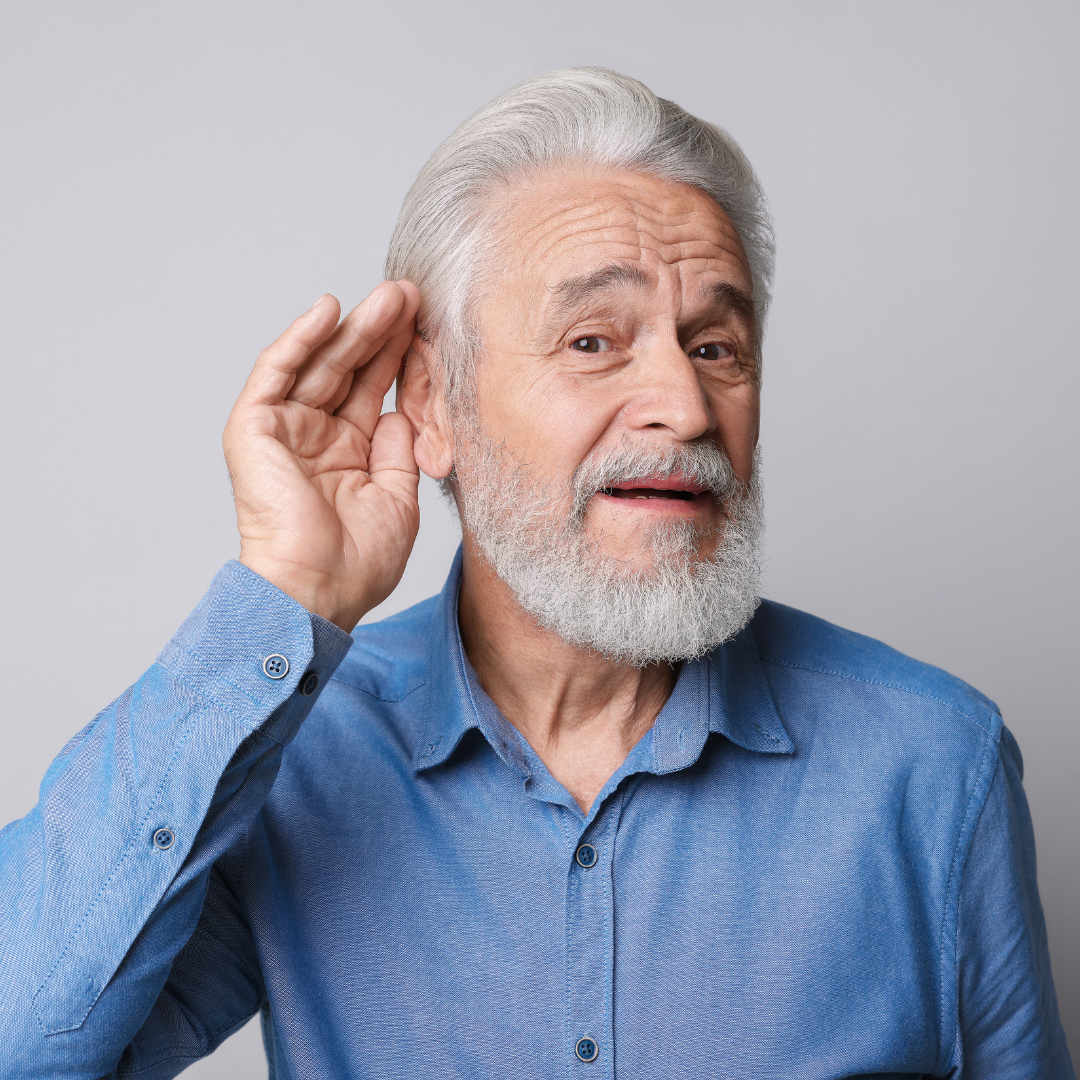
A rapid drop in hearing in one ear can cause immediate fear and leave patients confused regarding the appropriate next steps. We deliver urgent diagnostic hearing tests and partner with otolaryngologists to ensure comprehensive medical intervention when hearing drops rapidly. Any sudden hearing loss requires urgent clinical consultation with a hearing healthcare specialist to pursue immediate medical intervention or rehabilitation.
Is Sudden Deafness in One Ear Considered a Medical Emergency?
Yes, it is. Experiencing sudden hearing loss on one side constitutes a clinical emergency, especially when the drop happens over hours or a couple of days. Known medically as sudden sensorineural hearing loss or sudden deafness, this emergency involves the sensory labyrinth or central auditory neural pathways. It standardly presents without physical discomfort, often being erroneously dismissed as simple earwax impaction or sinus congestion.
Typical warning signs include:
- A rapid decrease in volume or clarity on one side
- Struggling to hear or follow telephone speech on the compromised side
- Sensation of an internal ear pop or mounting aural pressure right before hearing diminishes
- The sudden development of unilateral tinnitus, including buzzing, hissing, or roaring sounds
- Dizziness, imbalance, or a spinning sensation
Avoid waiting passively to see whether normal hearing thresholds return independently. Connect with our clinical team, a local urgent care center, or an ENT specialist for urgent, same-day assessment.
Why Sudden Sensorineural Hearing Loss Demands Fast Evaluation
Timely clinical evaluation is critical because therapeutic interventions for sudden sensorineural hearing loss demonstrate the highest success rates when started early. Our immediate task involves verifying whether the impairment is conductive due to wax or middle-ear effusion, or sensorineural originating within the sensory organ or auditory nerve. Although both diagnostic categories produce comparable subjective sensations, their medical management differs completely.
Otoscopic examination and full-battery diagnostic hearing testing determine the specific classification, audiogram pattern, and severity of the hearing loss.
Seek emergency care immediately if sudden hearing loss occurs with:
- Sudden facial droop, hemi-facial paresis, or sensory numbness
- Impaired speech articulation, profound cognitive confusion, or an intense new headache
- Bilateral double vision, syncopal collapse, or an inability to maintain normal walking gait
- Sudden chest pain or clinical hallmarks of a systemic medical crisis
Such clinical signs strongly suggest an acute stroke, neurological event, or vascular emergency that must bypass routine clinical scheduling.
Understanding the Underlying Causes of Sudden Unilateral Deafness
For the vast majority of patients with sudden sensorineural hearing loss, the exact etiology remains idiopathic. In cases where an etiology is successfully uncovered, it frequently involves localized inflammation, physical trauma, microvascular compromise, autoimmune pathology, or auditory nerve disorders.
Potential causes include:
- Systemic or localized viral and bacterial infections
- Blunt head trauma, concussive injury, or acute acoustic trauma
- Systemic autoimmune disease or autoimmune inner ear disease (AIED)
- Exposure to prescription ototoxic medications that harm cochlear hair cells
- Cochlear ischemia resulting from vascular occlusion or microcirculatory failure
- Peripheral inner ear pathologies such as classic Ménière’s disease
- Central neurological pathologies including multiple sclerosis
- An acoustic neuroma or vestibular schwannoma resting on the eighth cranial nerve
Since patient symptoms alone cannot isolate the precise pathophysiological cause, immediate physical exam and audiologic testing are essential.
How Is Sudden Sensorineural Hearing Loss Treated?
Corticosteroids are a common treatment when sudden sensorineural hearing loss has no clear cause. The treatment can be administered systemically via oral tablets or delivered locally through the tympanic membrane to reach inner ear structures directly. Clinical treatment pathways are determined by our specialists based upon presentation timing, loss magnitude, underlying health status, active prescriptions, and risk factors.
Steroids are typically administered within the first two weeks of onset, making it critical to begin medication as early as medically appropriate. When initial recovery is insufficient, physicians frequently recommend intratympanic steroid injections as a targeted salvage intervention. In select patient profiles, your physician may review hyperbaric oxygen therapy integrated with systemic corticosteroid protocols.
Understanding Spontaneous Recovery in Sudden Sensorineural Hearing Loss
Sudden sensorineural hearing loss can, in some circumstances, improve spontaneously without medical therapy. Approximately fifty percent of affected patients see some or all of their hearing return on its own, usually within one to two weeks of onset. However, modern medicine possesses no validated mechanism to determine early on which individuals will recover, what volume of sound will return, or if gains will endure.
The possibility that hearing might return spontaneously is never an acceptable reason to delay emergency treatment. Medical interventions become markedly less effective at reversing permanent deficits when delayed by weeks, closing a critical therapeutic window. Overall auditory recovery can range from full restoration and partial improvement to negligible recovery.
What Happens If Sudden Sensorineural Hearing Loss Fails to Improve?
If auditory thresholds fail to normalize completely, management depends on residual hearing sensitivity, unilateral speech discrimination scores, and the exclusion of underlying retrocochlear pathology. Diagnostic protocols may involve scheduling a cranial MRI scan or performing an auditory brainstem response test to inspect the auditory nerve and brainstem pathways.
Longer-term options may include:
- A conventional hearing aid if diagnostic testing confirms sufficient, aidable residual hearing
- Fitting a dedicated CROS device that transmits acoustic information from the poorer side to the unimpaired ear
- An osseointegrated bone-conduction hearing system or bone-anchored hearing device for qualifying candidates
- Cochlear implantation designed to restore binaural hearing in qualifying cases of single-sided deafness
- Tailored assistive listening systems to improve communication across work, academic, or social settings
Engaging in audiologic rehabilitation can alleviate severe listening fatigue, train sound localization, and resolve ongoing communication challenges. The most suitable option depends on the hearing test results, daily needs, health history, and personal preferences.
Arrange an Emergency Hearing Evaluation
Should your hearing acuity decline abruptly today or over recent days, pursue immediate same-day clinical guidance rather than booking a routine appointment. We provide immediate diagnostic hearing evaluations, analyze bilateral auditory thresholds, review symptom chronology, and collaborate with an ear, nose, and throat specialist or medical provider.
Contact our clinic without delay to request a prompt hearing evaluation.