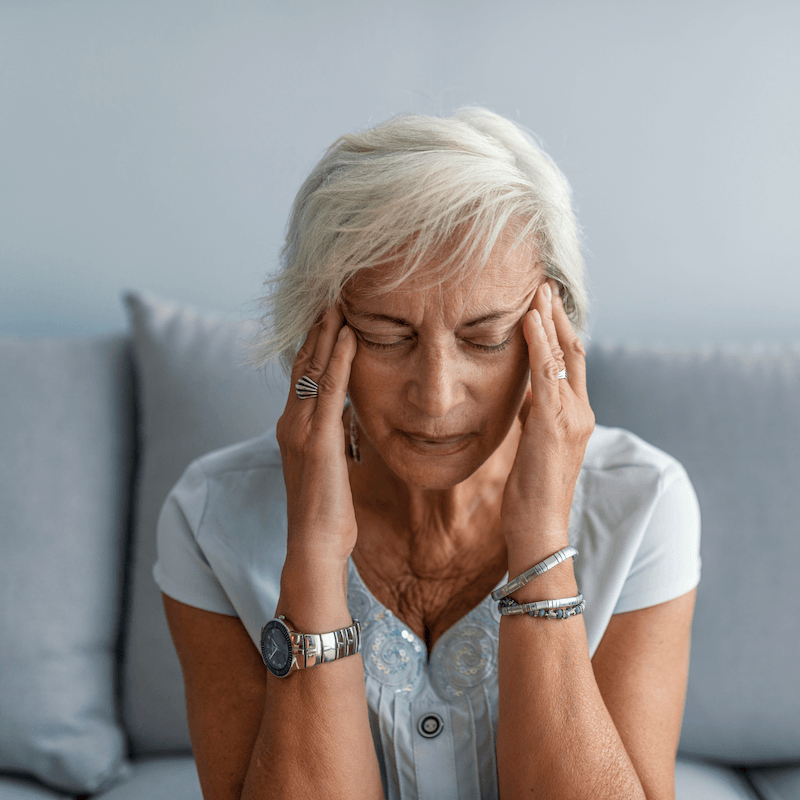
A migraine condition does not always cause debilitating head pain; in clinical reality, a vestibular migraine targets balance function, motion perception, and spatial awareness. At our ENT clinic, we investigate recurring dizzy spells to verify whether vestibular migraine or a distinct balance pathology is driving symptoms. Identifying key clinical indicators and reviewing them with your doctor is essential for establishing an accurate, effective migraine treatment plan.
Vestibular vs. Classical Migraine: Key Differences
Both vestibular migraine and classic migraine belong to the same neurological spectrum, yet their hallmark symptoms manifest differently. Regular migraine attacks typically revolve around unilateral, throbbing head pain of moderate to severe intensity that increases with everyday motion. Patients frequently report concurrent symptoms including nausea, heightened light sensitivity, sound intolerance, and classical visual aura.
Clinically, vestibular migraine is characterized by acute vertigo, spatial disorientation, postural unsteadiness, and motion hypersensitivity. Although cephalalgia can develop, head pain is not a mandatory feature during every vestibular migraine attack. Flare-ups can feature an illusory sensation of internal or environmental spinning, head-movement-induced dizziness, and visual vertigo in crowded spaces.
Qualifying vestibular events standardly run a time course extending from five minutes to 72 hours. Symptoms can vary from one attack to the next, making the connection to migraine less obvious than it is with recurring head pain.
Underlying Causes and Triggers of Vestibular Migraines
Medical science recognizes that no single underlying disorder functions as the sole cause of vestibular migraine. This balance condition appears to reflect shared neurological circuits that modulate migraine signals and vestibular equilibrium data. Having a personal or family background of migraine disease, along with chronic motion sensitivity, increases patient risk.
Primary environmental and lifestyle triggers include:
- Irregular resting routines and inadequate nightly sleep
- Skipping scheduled meals or experiencing acute dehydration
- Psychological tension or the sudden drop in stress levels following high-pressure events
- Catamenial hormonal fluctuations, menstruation, or perimenopause
- Bright, flashing, or visually complex surroundings
- Rapid vehicle motion, vestibular acceleration during transit, or digital screen scrolling
- Alcohol consumption, tyramine-rich foods, MSG, or individual dietary irritants
- Significant changes in barometric weather pressure or acute environmental overstimulation
Clinical Symptoms of Vestibular Migraine Compared to Regular Migraines
While recurrent head pain defines typical migraines, the full spectrum of migraine symptoms extends beyond localized discomfort. Associated symptoms can include gastrointestinal distress, vomiting, visual aura, systemic exhaustion, brain fog, neck pain, and hyperacusis or photophobia.
Documented manifestations of vestibular migraine include:
- Objective rotational vertigo or subjective non-spinning vertigo
- Unsteadiness or loss of balance
- Cervicogenic or vestibular dizziness exacerbated by head motion
- Gastrointestinal nausea provoked by physical movement or riding in vehicles
- Sensitivity to moving screens, crowds, traffic, or patterned surfaces
- Dysperceptions of motion such as internal rocking, floor tilting, floating, or gravitational pulling
- Acute sensitivity to daylight, artificial lighting, loud acoustic sounds, and complex visual environments
- Head pressure or migraine-type headache
- Temporary ear pressure, fullness, or ringing
Evaluating the timing pattern, episode duration, and specific triggers helps differentiate vestibular migraine from other balance disorders. Newly developing dizziness linked to facial numbness, extremity weakness, speech impairment, double vision, syncope, or an inability to walk demands immediate emergency attention.
The Coexistence of Vestibular Migraine and Typical Migraine Episodes
Yes, this frequently happens. True rotational vertigo and classic migraine head pain can develop within the identical clinical attack. The dizziness may begin before the head pain, develop while the headache is active, continue afterward, or appear during a separate episode. Certain patients experience cyclical shifts, alternating between headache-predominant and vertigo-predominant episodes over extended periods.
A vestibular attack does not require concurrent cephalalgia to have a direct neurovascular migraine origin. Documenting flare-ups in a symptom diary illuminates subtle patterns that might otherwise be forgotten during doctor visits. Track the exact duration of dizzy spells, headache traits, light and sound sensitivities, menstrual dates, sleep patterns, meals, suspected triggers, and pharmaceutical outcomes. Providing this detailed history ensures that your audiological and ENT assessment remains highly accurate.
Clinical Diagnostic Procedures for Vestibular Migraine
Clinicians cannot rely on a single laboratory marker, radiological scan, or balance study to confirm vestibular migraine. Clinical assessment begins with a meticulous clinical history exploring episode traits and personal migraine patterns with or without aura. Accepted diagnostic standards mandate documenting at least five moderate to severe vestibular attacks of five minutes to 72 hours duration, with migraine features accompanying at least half.
We may perform a neurological, eye-movement, ear, hearing, and balance examination. Depending on the symptoms, testing may include an audiogram, positional testing, vestibular studies, or imaging. Specialized diagnostics enable us to rule out other inner ear pathologies capable of producing similar balance symptoms. Vestibular migraine is diagnosed only when the pattern fits, and another condition does not better explain the symptoms.
Evidence-Based Treatments for Vestibular Migraine
Care plans are individualized to match your specific attack frequency, symptom severity, comorbid headaches, general medical background, and medication tolerances. A large majority of patients achieve optimal disease control by pairing daily preventive therapies with targeted acute abortive strategies.
Our practice designs a comprehensive treatment strategy that may incorporate:
- Adhering to predictable sleep cycles, regular meal timing, daily hydration targets, and steady physical activity
- Identification and reduction of consistent personal triggers
- Adopting psychological relaxation practices, biofeedback, or cognitive behavioral strategies
- Medication for nausea or other acute symptoms
- Controlled, short-term administration of vestibular suppressants during acute, disabling attacks
- Daily preventive medications such as beta-blockers, calcium channel blockers, topiramate, specific antidepressants, or novel migraine drugs
- Targeted vestibular physical therapy to retrain the central balance system and reduce chronic motion sensitivity
Vestibular suppressants are generally used sparingly because frequent use may cause sedation and interfere with the brain’s adaptation to balance signals. Therapeutic pharmaceutical regimens must be determined in consultation with our medical providers rather than copying another patient’s regimen. Meaningful symptom relief often necessitates gradual medication titration while systematically recording changes in your symptom log.
Book Your Vestibular Migraine Consultation
If recurring dizzy spells, motion sensitivity, or balance deficits disrupt your daily comfort, contact our practice to schedule a comprehensive evaluation. Your consultation can include a review of migraine history, health conditions, and treatment goals, with a focused examination and appropriate testing to help distinguish vestibular migraine from BPPV, Ménière’s disease, and other causes of dizziness. Connect with our practice today to book an appointment for your vestibular migraine assessment.